Modern cyberattacks don’t materialize out of thin air. Today’s threat actors lean hard on what feels familiar. They wrap their attacks in the everyday: trusted company brands, routine work processes, and the messages people expect in their inbox. Themed lures are everywhere now: fake HR updates, spoofed notifications from apps you use each day, and even faked software updates just plausible enough to raise no alarm.
AI drives this trend further, letting cybercriminals craft intricate, believable attacks with scale and speed. Their recipe is simple and effective: blend in, gain some trust, then strike. The 2025 IBM Threat Intelligence Index reports credential theft pulled off through themed tactics made up nearly half of last year’s major incidents. The bar for technical wizardry is still high, but more than ever it’s about leveraging what people think they already know.
Continue reading
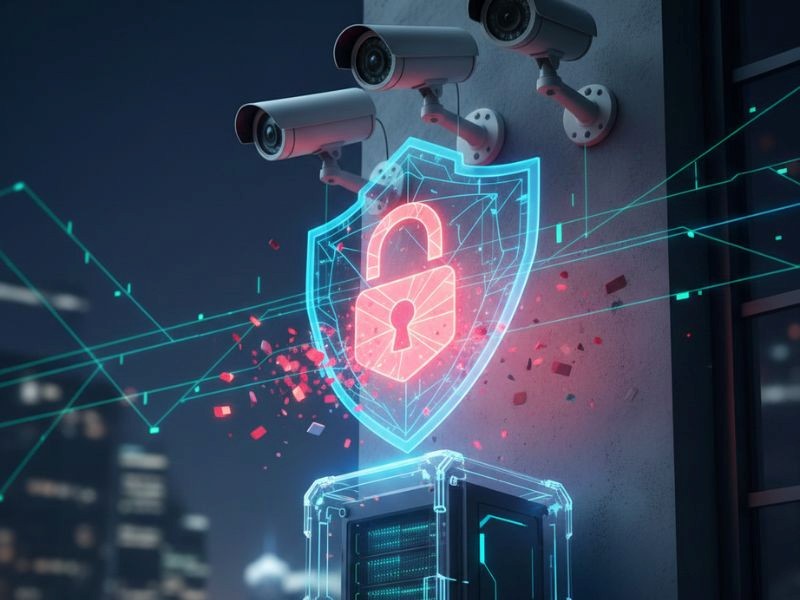
Modern CCTV systems are no longer isolated cameras, but they are fully connected surveillance networks that transmit video footage over the internet, cloud platforms, and mobile apps. Because of this, CCTV cybersecurity has become critical. Hackers can exploit weak passwords, unsecured networks, outdated firmware, or vulnerable IP cameras to access live feeds, disable security systems, steal sensitive data, or launch broader network attacks. Protecting your CCTV from cyber threats ensures your property, privacy, and business operations remain safe at all times.
Continue reading
You know what? I think we’ve all been conditioned to look for the big, dramatic threat. The digital equivalent of a bank robber wearing a ski mask and carrying a sack marked with a dollar sign. We expect the sophisticated phishing email, the ransomware note that freezes your screen, or the full-blown system wipeout. Those are the attacks that make the headlines, the ones that IT departments worry about losing sleep over.
Continue reading
For many IT teams, the cloud feels like a safe zone because large providers offer robust infrastructure. The truth is more complicated. Cloud platforms are secure, but how an organization sets them up often isn’t. Missteps in configuration, access management, and monitoring leave gaps that attackers exploit with ease. Ransomware groups no longer need to break into on-premise servers; they can now find exposed data and weak defenses in cloud environments that are always online.
This article explains why ransomware groups are increasingly targeting the cloud, what mistakes leave systems exposed, and how defenders can close these gaps. By the end, you will understand the specific risks tied to weak configurations and the practical steps that reduce the chance of a devastating breach.
Continue reading
Every 39 seconds, a cyber attack is bound to happen somewhere across the globe. Your business could be next, and most companies don’t realize they’ve been breached until 207 days later.
Cyber attacks drained $8 trillion from the global economy in 2023, according to Cybersecurity Ventures. Small businesses now face the same threats as Fortune 500 companies, but with fewer resources to fight back.
You don’t need a security degree to protect yourself. This guide gives you the knowledge attackers hope you never learn: what cyberattacks actually look like, which types pose the biggest threat to your organization, and the specific defenses that work.
We’ve analyzed thousands of real-world incidents and current threat intelligence to bring you practical insights you can use today, whether you’re securing a startup or protecting an enterprise network.
Continue reading
Account takeover fraud is a growing threat in the digital landscape. With the increasing reliance on online services for banking, shopping, and social interactions, cybercriminals are mastering tactics to compromise personal accounts. This form of fraud occurs when an unauthorized individual gains access to a victim’s personal account, often leading to significant financial losses and emotional distress. As technology evolves, so do the methods used by fraudsters, making it imperative for individuals and organizations alike to refine their security measures. Understanding the mechanics of account takeover fraud is important for safeguarding assets and personal information against malicious attacks.
Continue reading
The most successful websites and apps are the ones that demonstrate high activity levels at all times. The more people visit them, leave comments, respond to one another, and interact with the posted content, the higher exposure and potential profit the owners get. But what happens if a site is hacked, and every user who visits it faces the danger of data theft?
Guaranteeing front-end security when building apps and websites is a must for protecting users from XSS and other client-side vulnerabilities. The question is, how to make it happen? You can be a fresh-faced front-end developer who is only beginning to enter this competitive industry or an experienced professional who has never faced XSS before — this article will benefit all categories of experts.
Continue reading
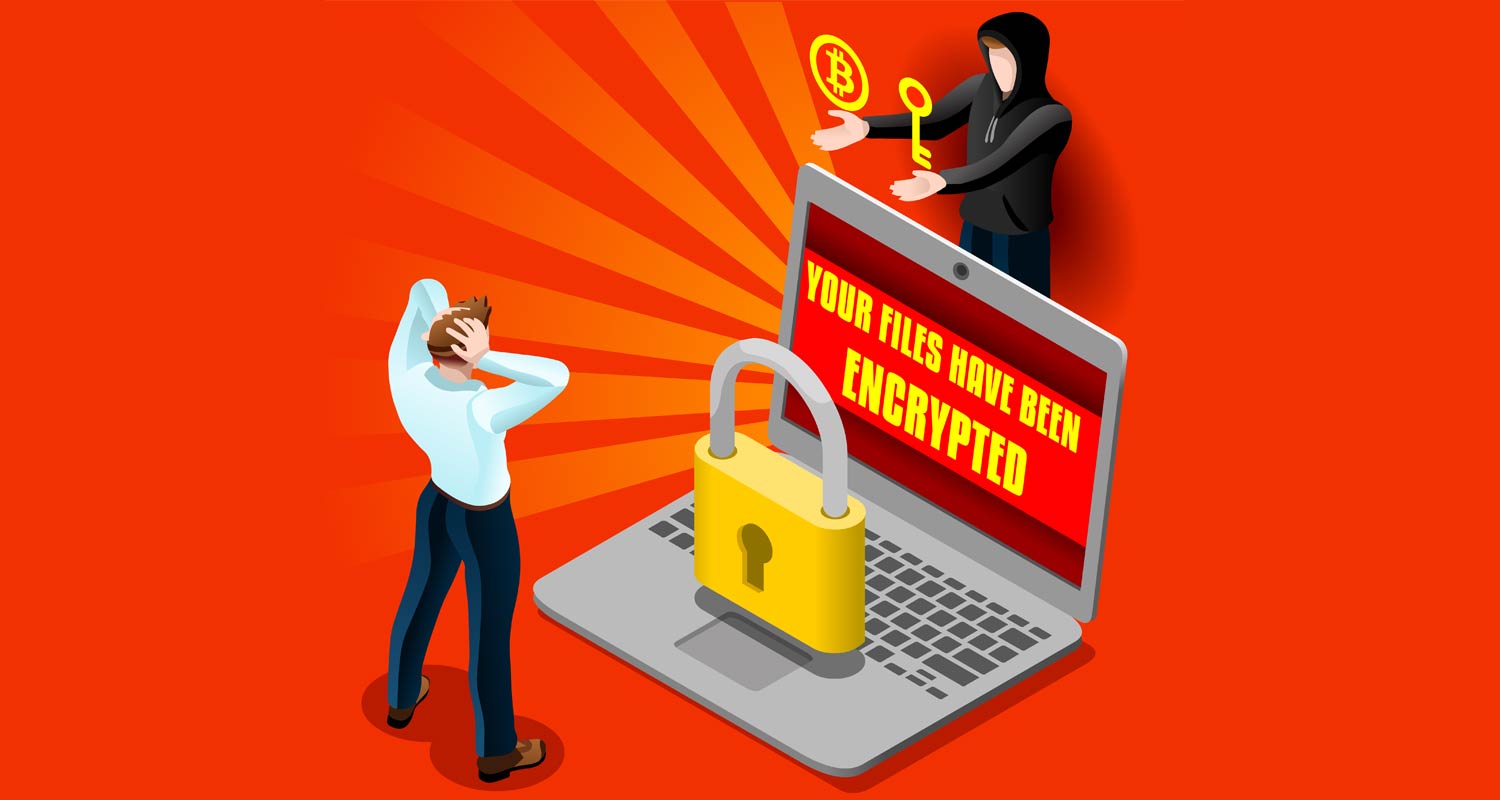
Cybersecurity threats, particularly ransomware, continue to escalate in volume and complexity daily. For banks, fintechs, and other organizations in the financial services sector, the consequences of a successful attack can be swift and severe, including disrupted operations, compromised customer data, economic losses, reputational damage, and increased regulatory scrutiny, among others.
In Q1 2025, ransomware attacks reached a record high, with more than 2,000 organizations falling victim. As threat actors increasingly target digital financial services and the third-party service providers that support them, banks and fintechs must remain vigilant and take steps to enhance their cyber resilience in an evolving risk environment.
Continue reading
Ransomware has become the equivalent of a city blackout for the digital world, one that is sudden, disruptive, and, at times, dangerous. When attackers lock up systems that power 911 dispatch, utilities, or payroll, every resident feels the ripple effects. For City CISOs, the shadow of these threats is much bigger than IT offline time. It also needs to focus on community-wide emergencies. Their role equals that of a cybersecurity strategist, emergency planner, and crisis communicator.
Here’s how five city CISOs prepare towards the goal of keeping operations running during a ransomware incident.
Continue reading
Most data breaches start with stolen or weak passwords. When these attacks target retail and hospitality businesses, they result in millions of dollars in lost customer data and damaged reputations.
The problem runs deeper for frontline workers in these industries. They share workstations across different shifts and need instant access to serve customers quickly. Traditional password systems force them into shared credentials and create security gaps that attackers specifically target.
Passwordless authentication changes this entire dynamic. It eliminates passwords, replacing them with biometrics and secure tokens. Frontline teams gain faster access to systems, while businesses benefit from stronger security against cyber threats.
This article shows how retail and hospitality companies can transform their frontline security. You’ll see why passwords fail in customer-facing environments and learn how passwordless solutions address the specific challenges your industry faces every day.
Continue reading